Real minimalism and emotional stability
Modern “Minimalism” is often sold as an aesthetic—white walls, expensive designer furniture, and owning exactly three shirts. But real minimalism isn’t about how your living room looks; it’s about who is in control of your mind.
In our journey toward emotional stabilization, minimalism is the practice of protecting your energy from the constant demands of a consumer-driven society.
1. The Trap of “Impulsive Ditching”
A common mistake is thinking minimalism means throwing away everything you own in a burst of impulsive energy.
- The Reality: Selling everything only to realize you need it later is not minimalism—it’s impulsive. Unless an item has a high maintenance cost (in time, money, or stress), keeping what you already own is often the most stable path.
- The Shift: Minimalism is about future intent. It’s about the next thing you buy, not the things you already have.
2. Breaking the Cycle of Manipulation
We live in an age of hyper-targeted advertising designed to make us feel “incomplete.” If owning an iPhone 16 makes you feel like you must have the iPhone 17 just because it exists, you are no longer in control of your life—the advertisement is.
- The “Everyone has it” Trap: Buying something because it is a trend or because “everyone has it” is a sign of a scattered mind seeking external validation.
- The Sovereign Buyer: A minimalist understands that if they are being manipulated into a purchase, they have lost their emotional center. Real stability comes from deciding what you need, regardless of the “mob.”
3. Quality over Quantity: Value for Money
Minimalism is not about being “cheap.” In fact, it often involves spending more on a single, high-quality item that serves you for years rather than buying a cheap version that breaks.
- Value-Based Living: Buy things that you truly need and that offer real value.
- True Desire: Minimalism doesn’t mean you can’t have things you are desperate for or truly love. It means having the clarity to know the difference between a soul-level joy and a temporary trend-based craving.
4. The Ego, Socializing, and the Comparison Cycle
The hardest test for a minimalist happens during social events—birthdays, weddings, or parties. This is where the ego gets hurt.
- The Comparison Trap: We see what others have and feel a “craving” to match them. This leads to “showoff purchases,” which trigger a cycle of debt and anxiety that never ends.
- Emotional Immunity: By practicing minimalism, you build immunity to social comparison. When your inner world is stable, your ego no longer needs a new car or a designer watch to feel “enough.”
Reclaim Your Focus: The 90-Day Emotional Stabilization Program
Minimalism is the “Physical Layer” of emotional stabilization. If your environment and finances are cluttered, your mind will be too.
In our 90-Day Program at YogicScience India, we integrate Sovereign Minimalism into your daily routine. We help you:
- Audit Your Desires: Distinguishing between what you truly enjoy and what you are doing for external validation.
- Master the Ego: Specific practices to remain composed during social comparisons and high-pressure events.
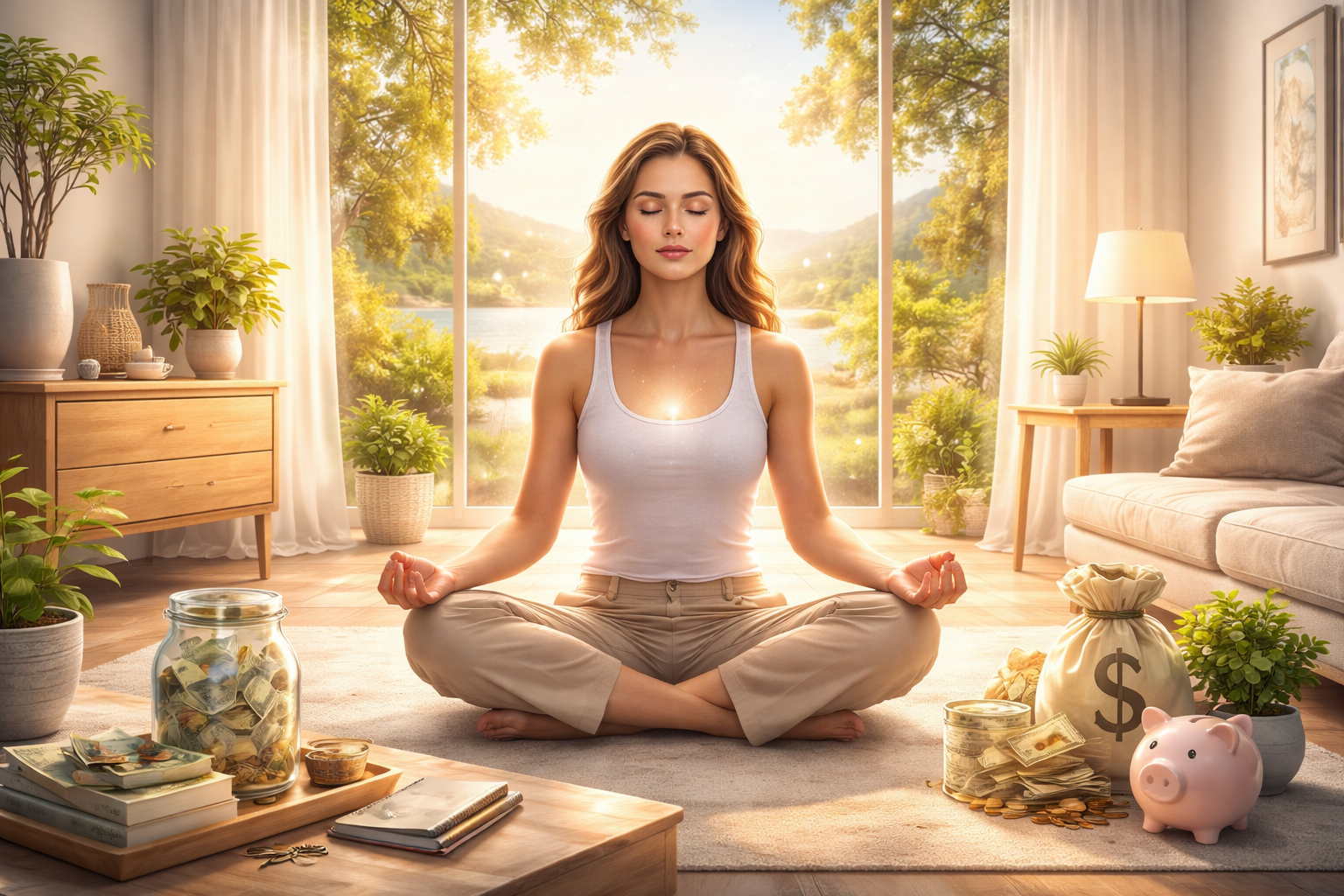
- Financial Grounding: Using intentional purchasing to build a foundation of certainty and peace.
Stop Being Manipulated. Start Being Sovereign. Join the 90-Day Program Today.
https://www.yogicscienceindia.com/eng